
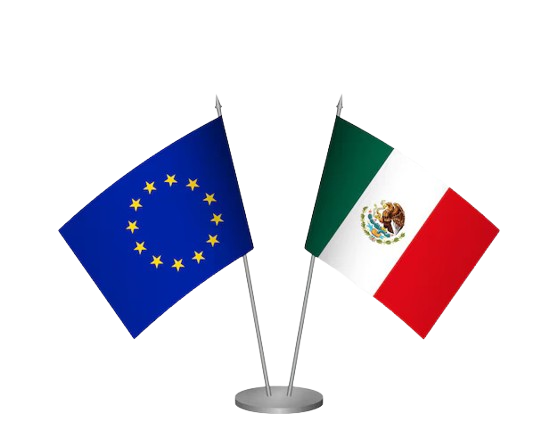
In a strategic move to broaden economic horizons beyond the United States, Mexico and the European Union have finalized an expanded trade agreement. This new accord, which is an update to the initial agreement from 2000, seeks to dismantle numerous remaining trade and investment barriers. The enhancements are anticipated to pave the way for increased collaboration in pivotal industries like auto parts, which have been under strain due to recent U.S. tariff policies.
A noteworthy aspect of this agreement is Mexico’s commitment to acknowledging hundreds of protected European food and beverage items such as Parma ham and Roquefort cheese. In turn, the deal offers reduced tariffs or duty-free status for various products including pasta, chocolate, potatoes, canned peaches, eggs, and certain poultry categories, aiming to invigorate trade flows between the two regions.
Mexican President Claudia Sheinbaum underscored the significance of diversifying economic collaborations and pursuing new trade avenues beyond the North American corridor. Meanwhile, European officials have expressed optimism that the strengthened agreement will enhance both regions’ competitive edge on a global scale and bolster enduring commercial ties.
Trade exchanges between Mexico and the EU have witnessed substantial growth over the last ten years. With this new agreement in place, there is a strong belief among officials that it will further elevate investment levels and improve market access, benefiting businesses on both sides.