
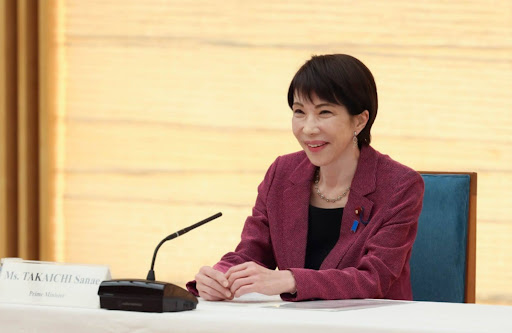
Energy security has been placed at the very heart of governance in Japan, with Prime Minister Sanae Takaichi announcing the country’s largest-ever strategic oil release. Approximately 80 million barrels of state crude — 45 days of domestic demand — will be distributed to refiners starting this week. A prior 15-day release from private-sector reserves was approved last week. The measures respond to the US-Israel conflict with Iran and the risk to the Strait of Hormuz, through which Japan imports over 90% of its crude oil.
Takaichi has made energy security a defining feature of her leadership. She declined US President Trump’s request to deploy Japanese naval forces to the region, citing the constitution, and committed to diplomacy. The prime minister has simultaneously deployed fuel subsidies, activated reserves, and engaged diplomatically — placing energy security at the centre of every major policy decision. Her approach reflects a comprehensive and principled understanding of what it means to govern a resource-dependent nation during a global energy crisis.
The record drawdown of 80 million barrels is 1.8 times the post-Fukushima 2011 emergency release. Japan holds approximately 470 million barrels in total reserves, covering about 254 days of domestic consumption. Officials say the release is manageable and that the reserve position remains strong. Further action will be taken if the crisis demands it.
Fuel subsidies cap retail petrol at ¥170 per litre after record highs of ¥190.8. Weekly reviews ensure subsidies remain current with market conditions. Energy analysts have praised the transparent and flexible design of the policy framework. Together with the reserve releases, the subsidies demonstrate the centrality of energy security to the Takaichi government’s governance philosophy.
Consumer panic about toilet paper and household goods prompted a trade ministry advisory. Officials confirmed 97% of Japan’s toilet paper is produced domestically from recycled materials with no oil link. Industry groups confirmed supply stability. Under Takaichi, energy security has become more than a policy priority — it has become the lens through which all of Japan’s crisis responses are conceived and executed.