
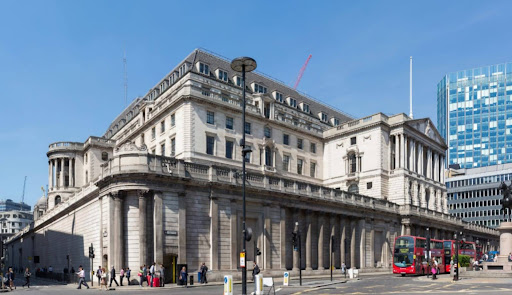
The economic verdict on globalisation being delivered by the Iran war is stark, as the Bank of England voted unanimously to hold rates at 3.75% on Thursday and warned that the conflict’s disruption to global energy markets was pushing UK inflation higher and requiring a potential monetary policy response. The monetary policy committee described the war as a significant new shock that demonstrated the vulnerability of open, globally integrated economies to geopolitical disruptions that originate far from their borders. Officials warned that inflation could rise above 3% and borrowing costs might need to increase.
The globalisation verdict is that economic integration with global markets creates both benefits — through trade, capital flows, and efficiency gains — and vulnerabilities — through exposure to shocks that originate elsewhere and cannot be controlled domestically. The Iran war is a stark illustration of the vulnerability side of that balance, as a military conflict in the Middle East directly shapes the energy costs and monetary policy of a country thousands of miles away.
Governor Andrew Bailey acknowledged the UK’s exposure to global energy markets explicitly, noting that war in the Middle East had pushed up global energy prices and that the UK was already feeling the consequences. His frank description of the transmission mechanism was an implicit acknowledgement of the vulnerability that globalisation creates while maintaining the position that the appropriate response was through domestic monetary policy tools.
Financial markets demonstrated the globalisation verdict in their response. UK gilt yields rose, the FTSE 100 fell, and the pound strengthened against the dollar as traders incorporated the global shock into UK financial asset prices. The efficiency with which global markets transmit shocks is itself a product of the globalisation that creates the vulnerability.
For UK policymakers, the economic verdict on globalisation creates long-term strategic questions about energy security, supply chain resilience, and the management of geopolitical risk. In the short term, the immediate task is to manage the consequences of the current shock. But the lessons of the current episode will rightly inform debates about how the UK structures its economic relationships and builds resilience against future global disruptions.