
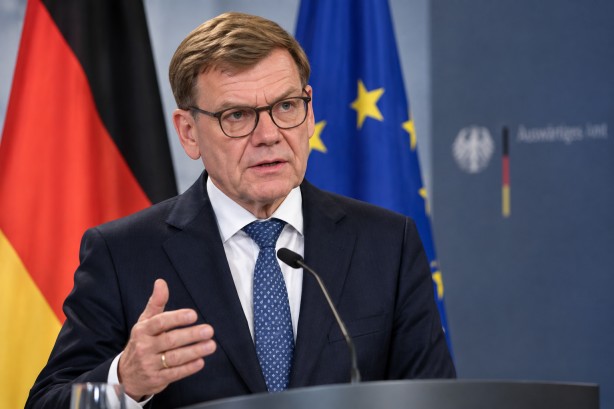
Amid a broader effort to reset diplomatic ties within the European Union, Germany and Hungary are strengthening their economic and political relationships. This move comes as both nations seek to navigate complex issues such as energy policy, economic cooperation, and EU integration. The recent visit of German Foreign Minister Johann Wadephul to Budapest marks a significant step in this direction, reflecting a concerted effort to enhance bilateral relations and cooperation.
During his visit, Wadephul engaged in discussions with Hungarian officials, including his counterpart, on a range of topics critical to both countries. A key focus of these talks was Hungary’s ongoing rule-of-law reforms and its access to EU funds—issues that have been at the forefront of Hungary’s interactions with the European bloc. The emphasis on these reforms is seen as a positive step towards strengthening Hungary’s ties within the EU framework.
Energy policy emerged as a prominent theme during the discussions. Wadephul highlighted the strategic importance of diversifying energy sources and reducing reliance on Russian energy. This aligns with broader European goals of energy independence and security, reflecting a shared concern about the geopolitical implications of energy dependency.
Economic collaboration was also a cornerstone of the visit, with significant attention given to enhancing the role of German businesses in Hungary. Meetings were held with representatives from major German companies such as Mercedes-Benz, Siemens, and BMW, among others. These talks aimed to bolster economic recovery and competitiveness, focusing on areas like infrastructure, the automotive industry, and energy strategy.
The visit underscores a mutual desire to deepen economic ties and explore opportunities for greater collaboration. Both nations are committed to fostering an environment where German investments can thrive, contributing to a more robust economic partnership. As Germany and Hungary continue to seek a broader reset in their relations, these discussions represent a pivotal step in reinforcing their shared objectives within the European Union.