
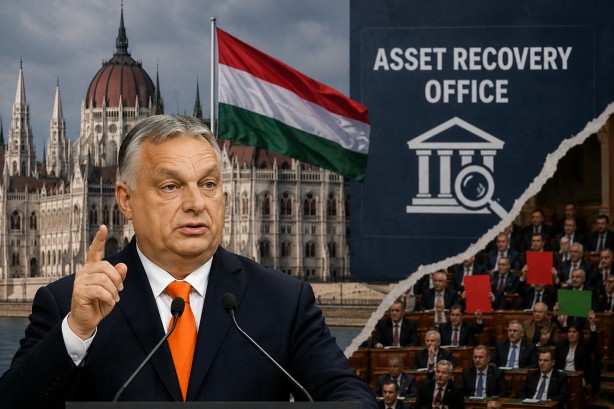
In a recent decision by Hungary’s Parliament, the establishment of the National Asset Recovery and Asset Protection Office (NVVH) has been approved. This new entity is designed to investigate and reclaim public assets that may have been mishandled or unlawfully transferred by past administrations. The initiative received backing from the ruling TISZA Party and the opposition group Our Homeland Movement, while facing opposition from FIDESZ lawmakers who voted against it.
The creation of the NVVH has become a focal point for political debate within the country. Critics are expressing concerns that the agency’s broad authority in both investigative and prosecutorial matters could potentially be wielded for political ends. Questions have been raised about the extent of judicial oversight and adherence to due process, with some fearing these powers might be misused to target political adversaries.
Proponents of the new office, particularly supporters within the government, argue that this move is a crucial step toward bolstering anti-corruption measures and increasing transparency in the handling of public resources. They assert that the NVVH will play a vital role in ensuring accountability and safeguarding national assets from mismanagement.
Nevertheless, opposition lawmakers remain wary of the implications of the NVVH’s extensive powers. They caution that without adequate legal safeguards, the agency could threaten civil liberties and the integrity of the judicial system. These concerns highlight the delicate balance between empowering institutions to fight corruption and protecting democratic principles.