
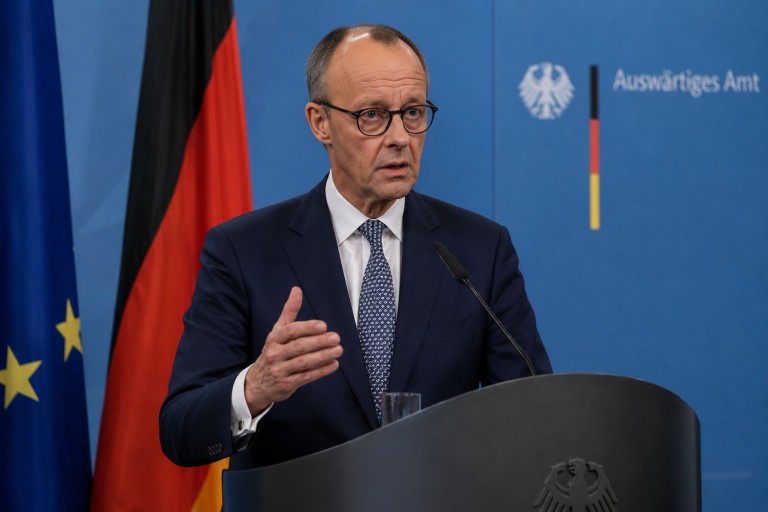
In response to the United States’ recent decision to launch a grants program aimed at fostering projects related to national sovereignty, migration, censorship, and the rule of law across Europe, German Chancellor Friedrich Merz has issued a caution against potential interference in Germany’s forthcoming state elections. This initiative, which offers financial awards up to $3 million for eligible organizations, think tanks, and individuals, has sparked a reaction from Merz, who emphasized that Germany refrains from meddling in US electoral processes and expects a reciprocal stance.
Merz highlighted that German legislation prohibits foreign funding for political parties, underscoring the importance of maintaining electoral integrity free from external influences. The US State Department, however, has clarified that the objective of the grants is to bolster democracy, human rights, and sovereignty without directly supporting any political parties.
Despite these assurances, the program has faced criticism from those who fear it may inadvertently bolster right-wing political factions within Europe. The concerns stem from the potential impact such funding could have on the political landscape, especially with elections looming in Germany, where political dynamics are particularly sensitive.
This development comes amidst ongoing discussions about the extent of political influence and the safeguarding of democratic processes between the US and several European nations. The tension highlights the delicate nature of international relations where electoral integrity is concerned, raising questions about the balance between supporting democratic ideals and respecting national sovereignty.