
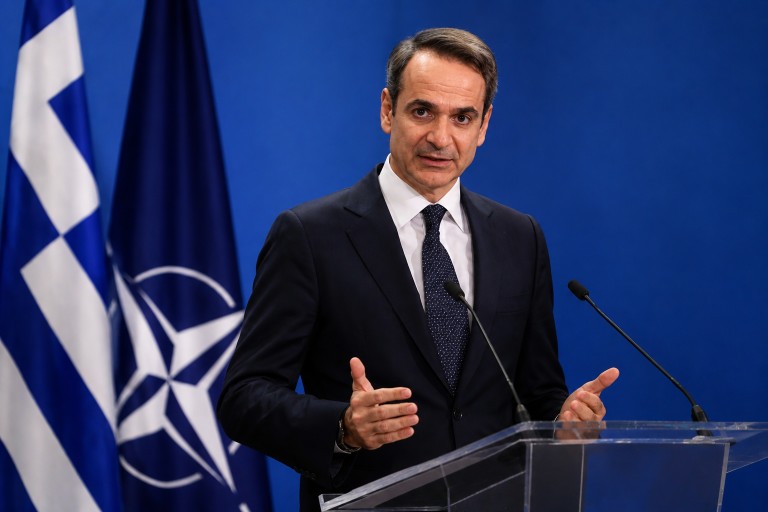
In light of recent reports surrounding the potential resumption of F-35 fighter jet sales to Türkiye by the United States, Greek Prime Minister Kyriakos Mitsotakis refrained from making any direct comments. He emphasized, however, the importance of NATO allies being mindful of the security issues pertinent to the region. His remarks came as he prepared to attend the NATO summit in Ankara, where he reiterated Greece’s commitment to fostering improved relations with Türkiye through constructive dialogue and cooperation grounded in good-neighbourly principles.
Mitsotakis highlighted the necessity for NATO to consider the security apprehensions of all its member nations, subtly nodding towards the long-standing disputes that have characterized the region. This comes against the backdrop of US President Donald Trump’s indication that Washington might be contemplating the easing of restrictions on defense cooperation with Türkiye. Such potential policy shifts include the sale of F-35 fighter jets and the relaxation of CAATSA sanctions, which have been a point of contention.
While diplomatic initiatives have been underway to mend and enhance bilateral ties, Greece and Türkiye remain at odds over several critical issues. Chief among these are the disagreements over maritime boundaries and territorial rights in the Aegean Sea and Eastern Mediterranean. These disputes continue to serve as significant friction points between the neighboring NATO members.
The historical and ongoing tensions between Greece and Türkiye have frequently tested the cohesion and diplomatic balance within NATO, as both nations are key allies within the alliance. The potential lifting of restrictions by the United States could mark a pivotal moment in defense relations with Türkiye, but it also poses the risk of exacerbating existing tensions if the regional security concerns of other member states are not sufficiently addressed.
As discussions progress, Mitsotakis’s call for sensitivity to security matters reflects Greece’s broader stance on maintaining stability and peace in the region. While the prospect of improved defense cooperation with Türkiye might herald new strategic alignments, it remains imperative for NATO to navigate these developments with careful consideration of the complex historical dynamics at play in the Eastern Mediterranean.