
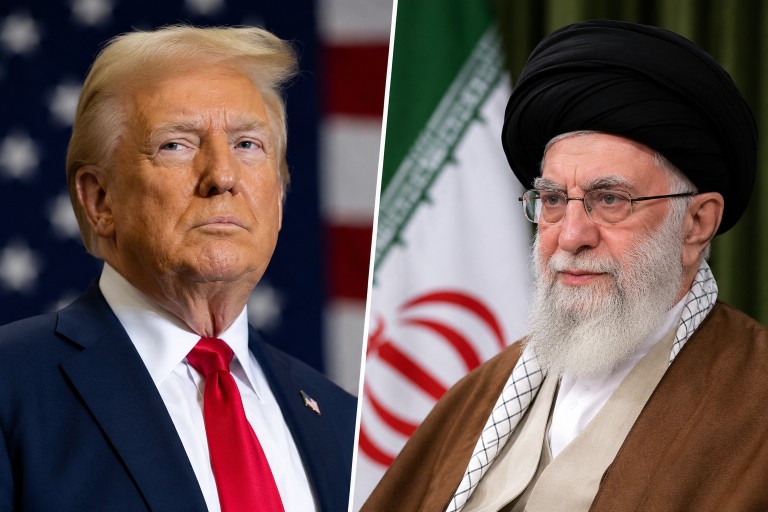
In a major diplomatic breakthrough, a peace agreement has been reached between the United States and Iran, a development that has been met with applause from world leaders who see it as a potential stabilizer for West Asia and a catalyst for global trade revival. The accord, which aims to ease tensions that have escalated in recent months, is expected to pave the way for the reopening of the critical Strait of Hormuz, vital for global energy shipments, thereby reducing economic uncertainties.
Several nations have expressed their endorsement of the deal, hoping it will foster durable peace and enhance security in the region. Qatar has lauded the agreement as a crucial step towards sustainable peace and economic prosperity, underscoring the necessity of ongoing dialogue and constructive negotiations. Meanwhile, Turkish President Recep Tayyip Erdogan commended the deal, viewing it as a promising stride towards regional peace and stability, with aspirations that it will contribute to a more secure Middle East environment.
British Prime Minister Keir Starmer has hailed the agreement as a significant advancement in ending regional conflict and reinstating stability. He emphasized the importance of the deal’s complete implementation and the safe resumption of maritime activities. Germany’s Chancellor Friedrich Merz also expressed support, noting that this diplomatic success could bolster the global economy and enhance security in the Middle East by easing tensions and facilitating international trade.
French President Emmanuel Macron has called for the swift enactment of the agreement and stressed the critical nature of reopening the Strait of Hormuz for global shipping operations. He also advocated for broader discussions on regional security and other unresolved issues. In the United States, President Donald Trump announced the completion of the agreement with a hopeful outlook, anticipating restored oil flows and improved economic conditions. The formal signing is scheduled to take place in Switzerland later this week.
Pakistan, instrumental in facilitating the negotiations, confirmed that both parties had agreed to cease military operations and initiate the implementation of the peace framework. Mediators are set to supervise further discussions leading up to the official signing ceremony. This agreement is being widely perceived as an opportunity to mitigate regional tensions, stabilize energy markets, and lay the groundwork for enduring peace and economic collaboration across West Asia.