
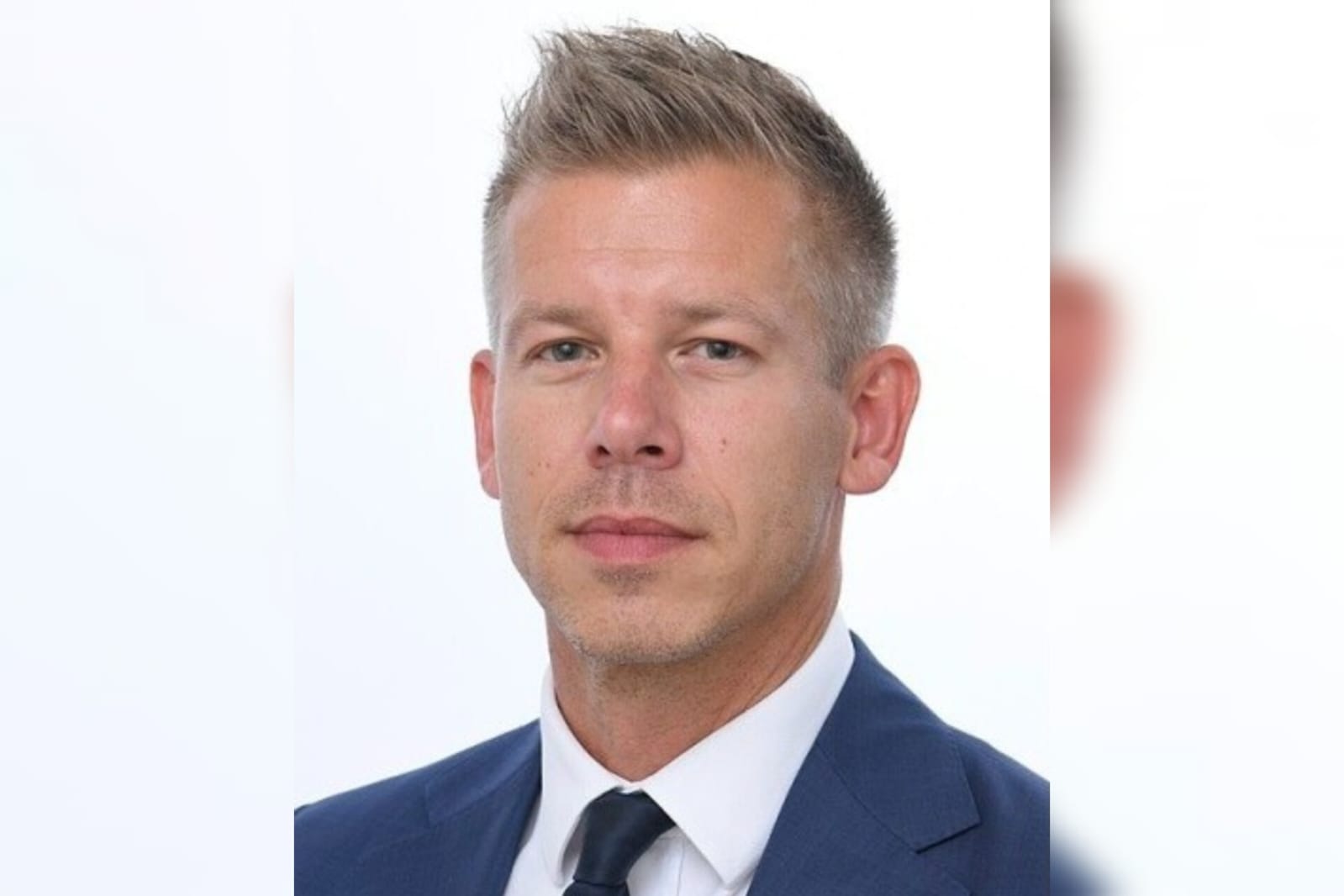
In the aftermath of Hungary’s recent election, new leader Péter Magyar is setting his sights on a strategic alliance with Poland’s Prime Minister Donald Tusk. This partnership aims to leverage Poland’s recent experiences in mending its relationship with the European Union after a period of democratic erosion under previous leadership. Both countries, sharing a historical trajectory since the fall of communism in 1989, now find themselves under the leadership of centre-right, pro-European figures focused on reversing years of institutional decay and strained EU relations.
The rapport between Magyar and Tusk was evident on election night when Tusk, speaking from Korea, expressed his elation, telling Magyar, “I’m so happy. I think I am even happier than you, you know?” The following morning, Tusk highlighted the positive political shifts in Central Europe, noting recent changes in Warsaw, Bucharest, Chișinău, and now Budapest, as evidence that the region is not destined for corrupt or authoritarian governance. Magyar, in turn, acknowledged the importance of this relationship and announced plans to visit Warsaw for his first official trip abroad as Hungary’s leader.
Magyar’s government is also taking a tough stance on accountability, signaling intentions to extradite two former Polish ministers accused of power abuses, who are currently residing in Budapest. These ministers, linked to Poland’s previous Law and Justice government, are now facing legal scrutiny following the rise of Tusk’s Civic Coalition in 2023. Meanwhile, Hungary’s new parliamentary session is anticipated to coincide with Europe Day on May 9, with Magyar’s inauguration symbolizing a renewed commitment to EU values.
Brussels is eager to see Hungary realign politically, expecting Magyar to lift Hungary’s hold on a €90 billion loan to Ukraine and endorse new sanctions against Russia. Additionally, the EU has outlined several reform conditions that Hungary must satisfy, including improvements in judicial and institutional integrity, anti-corruption measures, asylum policies, and academic freedoms. Polish and Hungarian officials are already in discussions about implementing reforms, drawing from Poland’s experience in unlocking EU funds following its shift away from illiberal governance.
Magyar’s substantial parliamentary majority provides a smoother path for reform compared to Poland’s more complex political landscape, where opposition vetoes posed challenges. However, the urgency remains high, as Hungary must meet critical deadlines to access EU funds. Magyar has also initiated steps to distance from the previous regime by urging allies of former leader Viktor Orbán to resign. The commitment to join the European public prosecutor’s office further underscores Magyar’s focus on addressing past corruption. While challenges remain in transforming institutional culture after years of Orbán’s influence, Magyar’s administration is poised to act decisively, leveraging its strong mandate to effect meaningful change.