
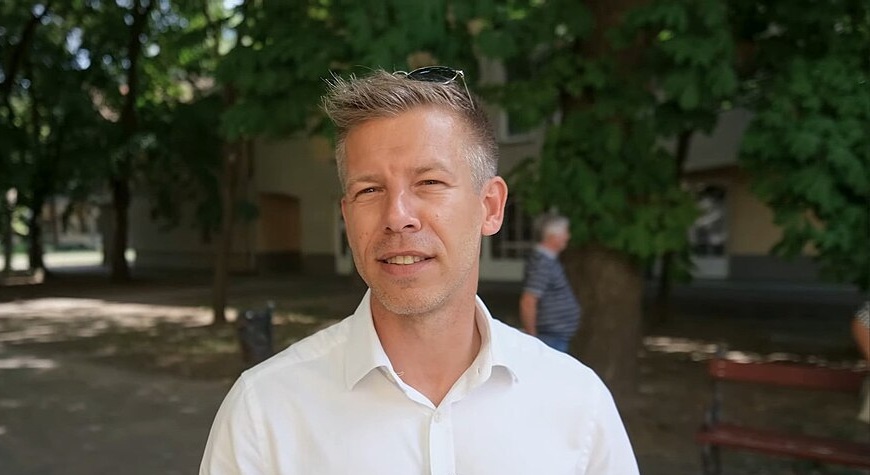
Hungary is navigating a phase of political and constitutional upheaval following the election loss of long-standing Prime Minister Viktor Orbán and the ascendancy of his successor, Péter Magyar. With Orbán’s 16-year rule ending just weeks ago, Magyar’s administration is swiftly moving to overhaul key state structures and has hinted at plans to oust the national president. This move is part of a larger initiative to dismantle what it sees as a deeply rooted system of illiberal governance.
Armed with a commanding parliamentary supermajority, the new government is contemplating constitutional amendments intended to reform institutions that were established under the previous regime. Proponents of these changes argue that they are essential to revitalize democratic checks and balances and reinforce the rule of law in the country.
However, these proposed reforms have ignited a heated debate among legal scholars and political commentators. Critics caution that leveraging a substantial parliamentary majority to modify constitutional arrangements could set a dangerous precedent, where future administrations may rewrite rules to serve their political interests.
The controversy may escalate if the president garners backing from Hungary’s judicial bodies, potentially leading to a constitutional clash between the executive branch and the judiciary. This ongoing discussion underscores a larger issue for Hungary: whether the new reforms signify a crucial departure from the political legacy of the Orbán era, or if they pose the risk of ushering in fresh challenges for democratic governance and constitutional stability.
As Magyar’s government pushes forward with its reform agenda, the outcomes are likely to have a lasting impact on Hungary’s political climate and institutional configuration in the years ahead.