
China played the dual roles of aggressor and victim in a tense clash with the Philippines on Tuesday, using water cannons against a Philippine fleet before accusing one of its vessels of a deliberate ramming. The incident at the contested Scarborough Shoal marks a dangerous escalation and has drawn sharp criticism from the international community.
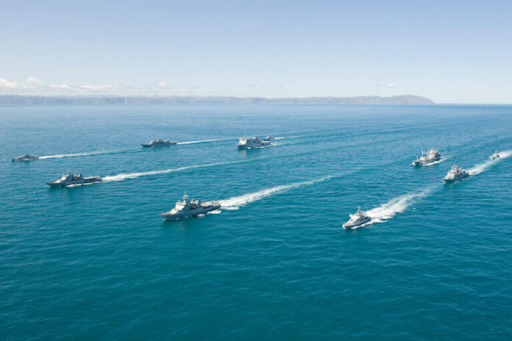
The confrontation began as more than ten Philippine government ships approached the shoal. China’s Coast Guard responded with force, deploying water cannons. Following a collision between vessels from both nations, Beijing issued a statement condemning the Philippines for a “provocative and egregious” ramming, placing all blame on Manila.
This clash is inextricably linked to China’s declaration just six days prior of the shoal as a “national nature reserve.” This move was widely viewed as a cynical ploy to create a legal justification for its occupation of the territory, which the Philippines calls Bajo de Masinloc. A diplomatic protest from Manila was already forthcoming.
The Scarborough Shoal is a microcosm of the wider power dynamics in the South China Sea, where China’s expansive claims challenge the established international order and the sovereign rights of its neighbors. The area’s rich fishing grounds and strategic location make it a prized, and therefore contested, piece of maritime real estate.
Global support is building for the Philippines. A senior US lawmaker decried China’s “coercive” territorial ambitions. The governments of the UK and Australia also expressed their alarm. Canada’s embassy in Manila issued a particularly pointed statement, opposing “attempts to use environmental protection as a way to take control” of the disputed shoal.
China Plays Aggressor and Victim in Shoal Clash with Philippines
Picture Credit: www.agenzianova.com
55