
President Donald Trump has embarked on a high-risk strategic gamble with his threat of 100% tariffs on China, a move that has profoundly shaken investor confidence and sent global markets into a spiral. The administration is betting that this extreme pressure will force Beijing to concede on key trade issues, but the potential for a catastrophic backfire is enormous.
This strategy, sometimes described as “escalate to de-escalate,” involves making an outrageous threat to alter the dynamics of a negotiation. By putting a full-scale trade war on the table, Trump may hope to bypass lengthy talks and secure a deal quickly. The justification for this gambit was China’s recent implementation of export controls on rare-earth minerals.
However, the immediate result has been a collapse in market confidence. Investors hate uncertainty, and the tariff threat has created it in spades. The Dow Jones’ 879-point fall and the $2 trillion loss in stock value are direct consequences of this high-risk approach. The market is signaling that it sees a high probability of failure.
China’s reaction suggests the gamble may not pay off as intended. Beijing has responded with defiance, not fear. The commerce ministry’s promise of “resolute measures” and its declaration that it is “not afraid” of a trade war indicate that China is prepared to call the bluff, which would force Trump to either enact the devastating tariffs or retreat.
While Trump later offered more reassuring words, the initial shock has done lasting damage. The gambit has reminded investors just how volatile and unpredictable the trade relationship is. Whether it ultimately leads to a breakthrough or a breakdown, the strategy has already come at a high cost to market stability and investor confidence.
A High-Risk Strategy: Trump’s Tariff Gambit Shakes Investor Confidence
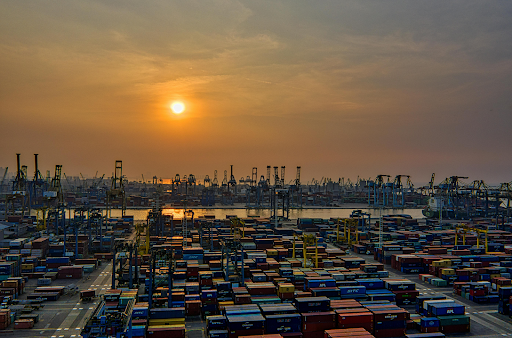
Picture Credit: www.pexels.com
58
previous post