
When Donald Trump’s Board of Peace convened its inaugural meeting Thursday, three notable absences from the US alliance system stood out: France, Norway, and Sweden. Their decision to stay out of the board offers a window into the European skepticism that has surrounded the initiative from its inception.
European allies have generally viewed Trump’s approach to Gaza — including the proposal to relocate Palestinians and rebuild the territory as a futuristic economic zone — with considerable unease. The absence of Palestinians from the board’s membership has been a particular point of concern for European governments that have consistently supported Palestinian political rights and a two-state solution.
The board’s challenge to the United Nations Security Council’s role in conflict resolution is also likely to have given European governments pause. France, as a permanent Security Council member, has a direct institutional interest in preserving that body’s authority. Joining a board explicitly designed to rival or replace the Security Council would be a significant and politically costly step.
Norway has a long history of involvement in Israeli-Palestinian peace processes, including hosting the Oslo Accords. Its decision to stay out of the board may reflect a judgment that the current initiative lacks the balanced framework and Palestinian participation needed for a durable outcome. Sweden has similarly been an active supporter of Palestinian rights within multilateral forums.
The European absences weaken the board’s claim to broad international legitimacy. A body that includes Israel and regional US partners but excludes key European allies and Palestinians will struggle to be seen as a genuinely representative international forum — a challenge that will become more significant as the board attempts to make binding decisions about Gaza’s future.
Trump’s Board of Peace: Why France, Norway, and Sweden Said No
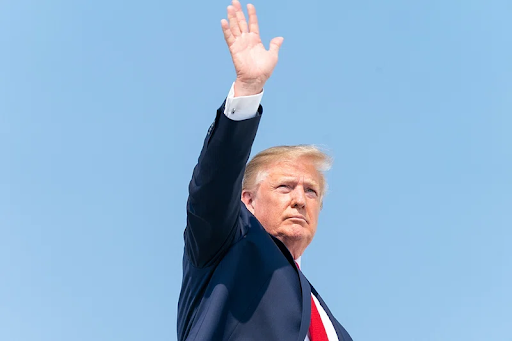
Picture Credit: www.rawpixel.com
2