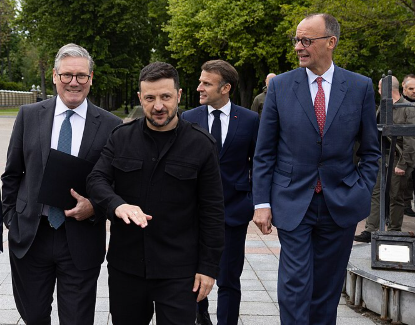
British officials characterized Wednesday’s call among allied leaders as reflecting recognition of a “critical moment” requiring intensive continued peace planning work, though this diplomatic language may mask deeper disagreements about strategy. President Trump’s acknowledgment of “strong words” during discussions with Prime Minister Keir Starmer, President Emmanuel Macron, and Chancellor Friedrich Merz suggests tensions beyond what the British summary reveals. The gap between official diplomatic characterizations and Trump’s public comments illustrates challenges in maintaining appearance of allied unity amid fundamental strategic disagreements.
The “critical moment” framing implies shared understanding of urgency and coordinated approach to peace negotiations, yet Trump’s subsequent comments questioning European intentions and warning about “wasting time” suggest fragmented rather than unified strategy. The American president’s conditional stance on attending a proposed weekend summit—demanding Europeans “come back with” satisfactory responses to unspecified concerns—indicates that allied leaders left Wednesday’s call without clear agreement on next steps. This discord threatens effectiveness of diplomatic coordination precisely when unity would strengthen negotiating leverage with Russia.
European leaders face the challenge of managing disagreements with Trump while maintaining appearance of allied consensus necessary for effective pressure on Moscow. Public acknowledgment of strategic differences would undermine western negotiating position by signaling to Russia that patience and military pressure might fracture the coalition. However, the gap between diplomatic statements emphasizing unity and Trump’s public criticism creates credibility questions about whether western partners can execute coordinated strategy even if they reach agreement on terms.
Thursday’s coalition video conference will reveal whether the “critical moment” recognition translates into substantive coordination or merely represents diplomatic language obscuring continued disagreements. President Zelenskyy will present Ukraine’s revised peace framework to approximately 30 allied nations, testing whether shared concern about unfavorable peace terms can overcome strategic differences about how to achieve better outcomes. The Ukrainian president’s ability to leverage European concerns depends on whether coalition members can move beyond diplomatic platitudes to concrete coordinated actions.
The tension between public statements emphasizing unity and underlying strategic disagreements reflects broader challenges in the western alliance under Trump’s leadership. The American president’s national security strategy has included criticism of European nations, his Ukraine policy appears to favor Russian interests, and his willingness to publicly acknowledge tensions with allies breaks from traditional diplomatic norms emphasizing unity. As Russian forces continue advancing and Moscow enthusiastically embraces Trump’s initiative, the western alliance’s inability to move beyond “critical moment” recognition to effective coordinated strategy threatens to leave Ukraine facing unfavorable peace terms without meaningful international support.
Critical Moment Recognition Masks Deeper Allied Disagreements Over Strategy
Picture credit: www.commons.wikimedia.org
30
previous post