
On the 105th anniversary of the Treaty of Trianon, a day observed in Hungary as the Day of National Cohesion, prominent political figures delivered powerful messages of unity, resilience, and national identity. Their speeches resonated with a shared understanding of the historical trauma while offering distinct perspectives on how Hungary should move forward.
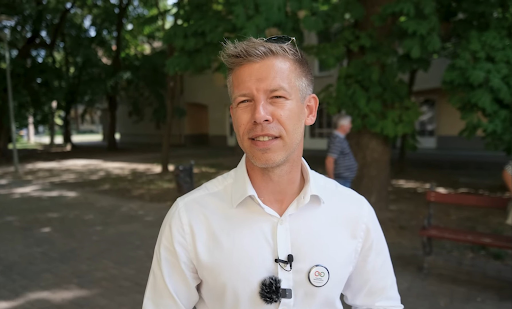
Péter Magyar, the leader of the opposition Tisza Party, issued a resounding call for Hungarian unity. He emphasized that Hungarians have historically thrived when united and faced adversity when divided. For Magyar, the response to Trianon is to build “a just, humane and shared Hungary for every Hungarian wherever they may live,” a testament to an unbreakable spirit that will always rise and rebuild.
Meanwhile, Speaker of Parliament László Kövér urged Hungarians to persist in the “democratic struggles for national self-defence” initiated in 2010. Kövér drew parallels between the present and the period leading up to Trianon, warning against deception and the return of self-serving politicians. He stressed the importance of remembering history to prevent a “tragic” repetition of past mistakes, advocating for vigilance against foreign-influenced forces seeking to undermine the nation.
Budapest Mayor Gergely Karácsony characterized the Treaty of Trianon as a “shared trauma” that continues to impact the nation. He emphasized the need to acknowledge the injustice of Trianon without becoming mired in grievances, recognizing that while the pain once united the nation, it no longer does so. Karácsony highlighted Budapest’s unique burden as a “scapegoat” for historical grievances, advocating for a future where political disagreements do not question national belonging.
Deputy Prime Minister Zsolt Semjén described June 4th as a day for “mourning, drawing conclusions, and taking pride.” He posited that the pain of a “mutilated nation” could be alleviated through the active building of the nation and homeland. Semjén underscored the paradoxical nature of the day—a time for both sorrow over Trianon and celebration of national cohesion, finding strength in the survival of the Hungarian people against all odds.
In a tangible commitment to strengthening national identity, the culture and innovation ministry announced four tenders totaling 7.5 billion forints (EUR 18.6m). These initiatives aim to bolster Hungarian culture and national identity, reaching Hungarian communities across the Carpathian Basin through programs supporting children’s culture, folk music, theatre, and religious pop music. This significant investment underscores a proactive approach to fostering cultural resilience and cohesion in the wake of historical challenges.