
A sobering health reality has emerged from recent scientific investigations into metabolic diseases. Research released in February revealed that metabolic dysfunction affecting nearly half the adult population leads to significant liver fat accumulation. This widespread condition develops quietly, with most affected individuals remaining unaware, highlighting the urgent need for accessible dietary intervention strategies.
The progression of fatty liver follows a predictable yet preventable pattern. Initially, fat accumulates within liver cells without causing symptoms, discomfort, or awareness. However, this seemingly innocent accumulation triggers inflammatory pathways that progressively damage tissue structure and function. Over time, repeated inflammatory cycles lead to scarring that permanently compromises liver capabilities, potentially culminating in severe complications that threaten overall health and survival.
Drawing on expertise in public health nutrition and metabolic disease, one specialist has identified five specific foods with proven liver-protective properties. These evidence-based recommendations target fundamental mechanisms underlying liver disease, including inflammation, oxidative stress, and impaired cellular regeneration. Each food provides distinct benefits that work synergistically to support comprehensive liver health.
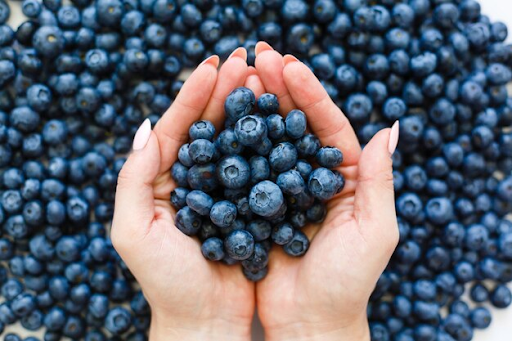
The recommended foods span various categories but share practicality and accessibility. Certain caffeinated beverages demonstrate remarkable ability to slow disease progression at the molecular level. Deeply pigmented fruits provide anti-inflammatory compounds that specifically protect liver cellular structures. Traditional superfruits offer concentrated vitamin C that combats oxidative damage, while nutrient-dense options enhance liver cell production and support natural repair mechanisms.
Adopting these recommendations involves straightforward dietary modifications that integrate seamlessly into daily life. Rather than requiring dramatic transformations, the approach focuses on regular inclusion of these beneficial foods through simple habits. Whether choosing specific morning beverages, adding particular fruits to meals, or incorporating certain spices into cooking, these manageable changes create lasting improvements in liver health when maintained as sustainable long-term practices.
Fatty Liver Epidemic: 5 Kitchen Staples That Offer Protection
Picture Credit: www.freepik.com
6