
The global petroleum sector concluded 2025 with its most dramatic yearly decline since the pandemic crisis, recording losses approaching 20%. The industry now faces a historic first: three consecutive years of falling prices, creating unprecedented financial challenges for producing nations and energy companies worldwide.
The sustained downward trend has persisted despite substantial military tensions in some of the world’s most crucial energy-producing regions. Market analysts identify severe fundamental oversupply as the driver, with production volumes vastly exceeding consumption needs. This has created conditions described as excessively glutted, overwhelming normal market mechanisms.
Progress toward a Russia-Ukraine peace agreement pushed prices below $60 per barrel last month for the first time in almost five years. The potential lifting of western sanctions on Russian oil raises market concerns about additional supplies flooding an already saturated system, potentially driving prices to even lower levels in coming months.
Year-end figures show Brent crude at $60.85 per barrel, representing a significant decline from nearly $74 at the previous year’s close. U.S. benchmark prices fell identically to $57.42, matching the 20% annual loss. The OPEC cartel normally manages member production to maintain prices within an optimal range that balances revenue needs with avoiding consumer shifts to alternatives like electric vehicles and heat pumps, but this approach has proven ineffective.
Weak economic performance in major markets combined with trade conflict impacts have reduced demand from China, the world’s largest energy importer. International agencies project a daily surplus of approximately 3.8 million barrels throughout the current year, despite OPEC postponing production increases. Major financial institutions anticipate further price erosion, with some forecasting spring prices around $55 per barrel or declines into the $50s during 2026. Consumers may see benefits through reduced fuel costs and moderated inflation, though concerns remain about retailers passing savings along, and household energy bills are rising slightly despite the crude price collapse.
Oil Markets Face Worst Annual Performance Since COVID
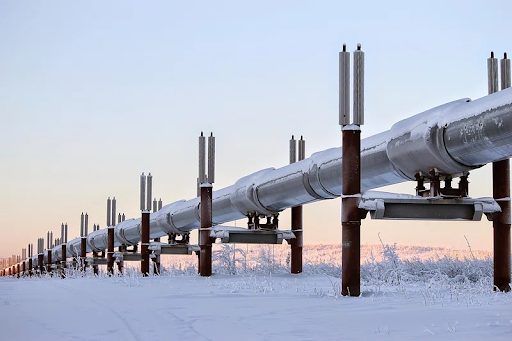
Picture Credit: www.rawpixel.com
19