
The European Union’s decision to match Donald Trump’s steel tariffs by doubling levies to 50% has created cascading consequences for the British steel industry, now compounded by new carbon documentation requirements. The industry’s characterization of the situation as an “existential threat” reflects cumulative pressures from multiple trade barriers affecting UK steel producers.
Brussels doubled its steel import tariffs earlier this year to 50% as a direct response to American trade measures, severely impacting British exporters. Now, with the confirmation that the anticipated carve-out from the carbon border adjustment mechanism will not be implemented by year-end, UK steel producers face additional administrative and financial burdens starting in January. Industry experts predict no relief from carbon documentation requirements before Easter 2025.
The mechanism requires comprehensive documentation of carbon emissions throughout manufacturing processes, affecting approximately £7 billion in UK exports including numerous steel and aluminium products, household appliances, automotive components, fertilizer, cement, and energy. The unsuccessful attempt to secure a pre-Christmas exemption reflects political complexities within the European Union, where the negotiation mandate received approval only in early December, making rapid resolution effectively impossible.
Industry organizations emphasize that the cumulative impact of multiple trade barriers is reaching critical levels. UK Steel’s Frank Aaskov describes the situation as having a “significant negative impact” particularly for small and medium-sized enterprises, while noting the competitive dynamics make even modest cost increases potentially decisive. In markets where Chinese imports are highly competitive and cost differences as small as €5 per tonne determine contract outcomes, the combination of 50% tariffs and carbon taxes creates severe disadvantages.
Government representatives are advising businesses to prepare for the carbon mechanism’s implementation from January, with support available through the Department for Business and Trade. Negotiations will proceed through two stages: establishing terms of reference, then addressing emissions trading system compatibility. Although actual carbon tax payments won’t be required until 2027 and could potentially be cancelled through successful negotiations, the immediate administrative requirements compound existing tariff-related documentation. EU Climate Commissioner Wopke Hoekstra has characterized discussions with UK officials as productive and suggested immediate costs will be minimal given Britain’s decarbonization progress, but industry representatives emphasize the cascading consequences of interconnected trade policies. The UK government continues prioritizing a carbon linking agreement to protect the substantial export market from these accumulating pressures.
Trump Tariff Response by EU Creates Cascading Consequences for UK Steel Industry
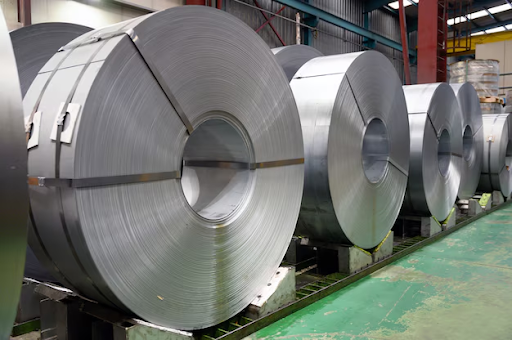
Picture Credit: www.freepik.com
21