
While the world’s attention is focused on the fragile ceasefire in Gaza, the long-simmering conflict in the occupied West Bank continues to pose a fundamental threat to regional stability. President Donald Trump’s mission to reshape the Mideast confronts the unresolved reality of Israel’s rapid settlement expansion and its rule over millions of Palestinians without basic rights.
This ongoing situation in the West Bank is a major impediment to the very peace Trump hopes to achieve. His administration’s goal of expanding the Abraham Accords, particularly with Saudi Arabia, is directly hindered by the lack of progress toward a Palestinian state. The kingdom and other Arab nations have consistently cited the occupation as a primary barrier to normalization.
The current ceasefire deal in Gaza does not address the West Bank issue. This disconnect is a significant weakness in the overall peace effort. A solution for Gaza in isolation from the broader Palestinian question is seen by many analysts as unsustainable. A lasting peace requires a comprehensive approach that includes a political horizon for Palestinians in both territories.
Israel’s actions on the ground further complicate the diplomatic landscape. The continued growth of settlements is viewed by much of the world as a violation of international law and a deliberate effort to prevent the creation of a viable Palestinian state, hardening positions and making a two-state solution appear increasingly remote.
As Trump engages in high-level diplomacy, the situation in the West Bank serves as a constant, sobering reminder of the conflict’s deep-rooted nature. Without addressing this core issue, any agreements forged in the wake of the Gaza war risk being built on an unstable foundation.
The Unresolved Question of the West Bank
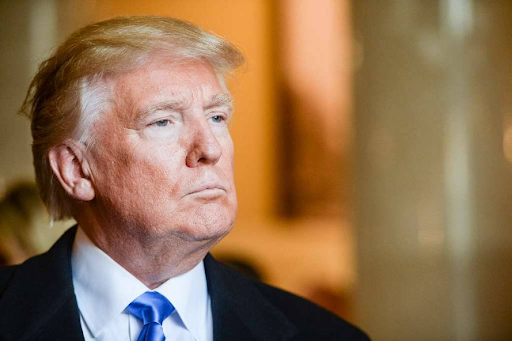
Picture Credit: www.picryl.com
59