
The much-vaunted “special relationship” between the United States and the United Kingdom is facing a significant strain as a new trade dispute erupts over threatened tariffs. Donald Trump’s plan to impose 100% duties on British pharmaceutical exports has injected a dose of harsh economic reality into the transatlantic alliance, overriding recent diplomatic overtures.
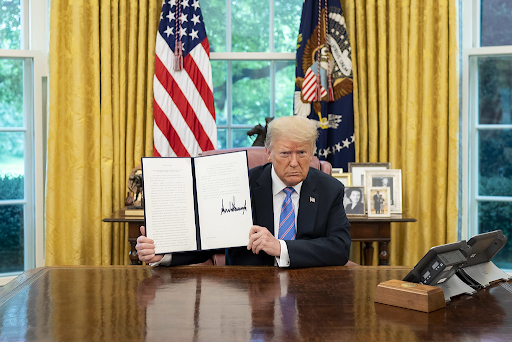
This flare-up in tensions comes despite the UK’s concerted efforts to court the US administration, culminating in a recent state visit for Trump. The threat of tariffs demonstrates that these efforts have not insulated the UK from the “America First” trade policy. A promise of “preferential treatment” from Trump has been abandoned, leaving a key British industry exposed.
The root of the problem is an incomplete tariff deal negotiated five months ago, which failed to include pharmaceuticals. The British government is now grappling with the consequences, with a spokesperson admitting the situation is “concerning” and launching a last-ditch effort to negotiate a solution. The outcome will be a major test of the true strength and influence of the “special relationship.”
Adding to the complexity is the theory that the tariffs are a strategic ploy to encourage US-based manufacturing. Analysts suggest that companies with a physical presence in America will be shielded from the duties. This could be seen as a coercive tactic that puts allies in a difficult position, forcing them to choose between their domestic industries and making costly investments in the US.
While the UK faces this direct challenge, the dispute also has broader implications. It signals that the US is willing to use aggressive economic tools against even its closest partners. This approach has already angered other allies, like Germany, which has condemned a new 25% US tariff on trucks. The cumulative effect is a steady erosion of trust and cooperation among traditional Western partners.
US-UK “Special Relationship” Under Strain as Trade Tensions Flare
Picture Credit: www.flickr.com
58