
Beneath the political firestorm raging in Nepal lies a deep current of economic despair, particularly among the nation’s youth. A staggering 20% youth unemployment rate, coupled with anger over the flaunted wealth of the elite, created the combustible conditions for the recent explosion of protest, with the social media ban acting as the final trigger.
The protests are not just a fight for abstract rights like free expression; they are a cry of frustration from a generation facing bleak economic prospects. While ordinary young Nepalis struggle to find work, they have been watching the children of politicians display lives of incredible luxury on social media. This stark contrast between their reality and the elite’s privilege has fueled a powerful sense of injustice.
The government’s perceived failure to create jobs or pursue major corruption cases has compounded this anger. Many feel that the political class is more interested in self-enrichment than in national development. The decision to ban social media was seen through this lens: as an attempt by the corrupt to silence those who were exposing their hypocrisy and demanding better economic governance.
As local editor Prateek Pradhan noted, the combination of these economic grievances and political failures “made the youth of Nepal dissatisfied,” leaving them with no option but to take to the streets. The resignation of the prime minister does nothing to solve the underlying economic problems. Until the government can offer its young people a credible hope for a better future, the potential for further unrest will remain dangerously high.
Economic Despair Fuels Nepal’s Political Firestorm
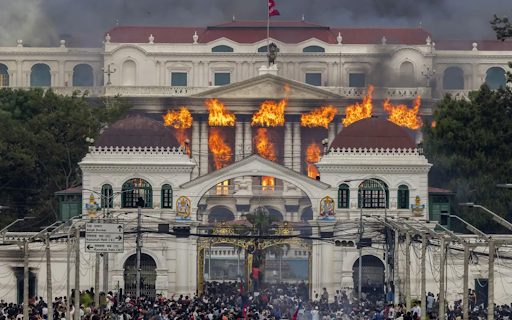
Picture Credit: www.freemalaysiatoday.com
96
previous post