
The UK’s top AI institute, the Alan Turing Institute, is facing a significant re-evaluation of its mission as Technology Secretary Peter Kyle advocates for a defence-first approach. In a strongly worded letter, Kyle urged ATI to pivot its research and development efforts towards national security and “sovereign capabilities,” implying a deemphasis on existing priorities like health and the environment. This represents a fundamental reorientation of the institute’s strategic direction.
Kyle’s communication highlights the government’s desire for ATI to become a pivotal player in safeguarding the nation’s technological future, particularly in the realm of AI. The directive to embed more defence and national security staff within the institute and strengthen ties with relevant intelligence communities underscores the seriousness of this mandate. The “Turing 2.0” strategy, the institute’s current roadmap, is explicitly deemed inadequate for these new governmental requirements.
Beyond a shift in research focus, the Technology Secretary also suggested that new leadership would be essential to navigate this transition. Kyle’s letter points to the need for an executive team with a specific background in defence and national security, indicating that the current leadership, despite acknowledged efforts, may not be best suited for the envisioned changes. This comes as ATI grapples with internal restructuring and staff concerns.
The government’s substantial financial support, including a recent £100 million funding package, provides a powerful incentive for ATI to comply. The possibility of reviewing this “longer-term funding arrangement” next year adds urgency to Kyle’s demands. This strategic realignment of ATI reflects a broader national imperative to leverage AI for defence and security, consistent with the renaming of the AI Safety Institute to the AI Security Institute.
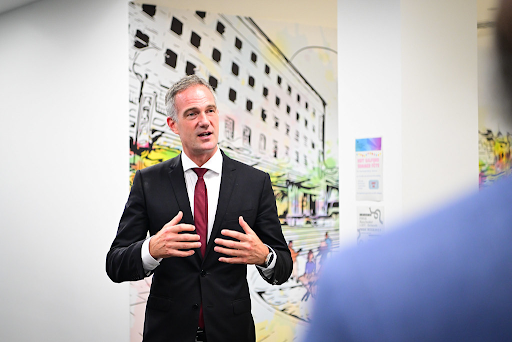
Peter Kyle Calls for Defence-First Approach at Alan Turing Institute
Picture credit: www.flickr.com
107