
The Supreme Court’s fractured 6-3 decision on Trump’s birthright citizenship order exposed fundamental disagreements about the proper role of federal courts in checking executive power. Conservative justices emphasized judicial restraint while liberals warned against enabling potentially unconstitutional government actions.
Justice Amy Coney Barrett’s majority opinion focused narrowly on the scope of judicial authority rather than addressing whether Trump’s citizenship directive violates the Constitution. The court ordered lower courts to reconsider their broad injunctions while maintaining a 30-day delay on policy implementation.
Trump’s executive order would fundamentally change America’s birthright citizenship tradition by denying citizenship to children born in the U.S. unless they have at least one parent who is a citizen or permanent resident. This policy shift would affect over 150,000 newborns annually and challenges long-standing interpretations of the 14th Amendment.
The case highlighted competing views of how courts should respond to potentially illegal executive actions. While conservatives emphasized limiting judicial overreach, liberals argued that universal injunctions serve as essential checks on presidential power, particularly when constitutional violations are apparent and immediate harm is threatened.
Birthright Citizenship Battle Reveals Deep Court Divisions on Judicial Power
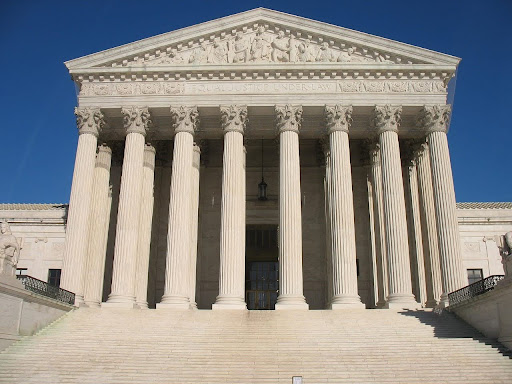
Picture credit: commons.wikimedia.org
91